[cherry_row type=”full-width” bg_type=”none” bg_position=”center” bg_repeat=”no-repeat” bg_attachment=”scroll” bg_size=”auto” parallax_speed=”1.5″ parallax_invert=”no” min_height=”300″ speed=”1.5″ invert=”no”]
[cherry_col size_md=”7″ size_xs=”none” size_sm=”none” size_lg=”none” offset_xs=”none” offset_sm=”none” offset_md=”none” offset_lg=”none” pull_xs=”none” pull_sm=”none” pull_md=”none” pull_lg=”none” push_xs=”none” push_sm=”none” push_md=”none” push_lg=”none” collapse=”no” bg_type=”none” bg_position=”center” bg_repeat=”no-repeat” bg_attachment=”scroll” bg_size=”auto”]
[cherry_row_inner type=”full-width” bg_type=”none” bg_position=”center” bg_repeat=”no-repeat” bg_attachment=”scroll” bg_size=”auto” parallax_speed=”1.5″ parallax_invert=”no” min_height=”300″ speed=”1.5″ invert=”no”]
[cherry_col_inner size_md=”12″ size_xs=”none” size_sm=”none” size_lg=”none” offset_xs=”none” offset_sm=”none” offset_md=”none” offset_lg=”none” pull_xs=”none” pull_sm=”none” pull_md=”none” pull_lg=”none” push_xs=”none” push_sm=”none” push_md=”none” push_lg=”none” collapse=”no” bg_type=”none” bg_position=”center” bg_repeat=”no-repeat” bg_attachment=”scroll” bg_size=”auto”]
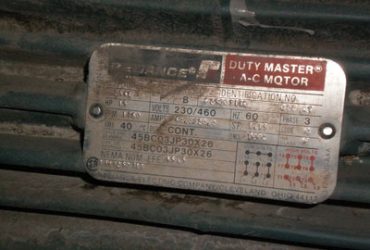
The type of bearing selected for operation in a machine determines how it should be maintained for maximum equipment life. Of course, if you installed the bearing, you should know its type and configuration as well as its lubrication requirements prior to operation.
[/cherry_col_inner]
[/cherry_row_inner]
[cherry_row_inner type=”full-width” bg_type=”none” bg_position=”center” bg_repeat=”no-repeat” bg_attachment=”scroll” bg_size=”auto” parallax_speed=”1.5″ parallax_invert=”no” min_height=”300″ speed=”1.5″ invert=”no”]
[cherry_col_inner size_md=”12″ size_xs=”none” size_sm=”none” size_lg=”none” offset_xs=”none” offset_sm=”none” offset_md=”none” offset_lg=”none” pull_xs=”none” pull_sm=”none” pull_md=”none” pull_lg=”none” push_xs=”none” push_sm=”none” push_md=”none” push_lg=”none” collapse=”no” bg_type=”none” bg_position=”center” bg_repeat=”no-repeat” bg_attachment=”scroll” bg_size=”auto”]
[cherry_button text=”Read more” url=”https://www.machinerylubrication.com/Read/31497/%20understanding-bearing-lubrication” style=”primary” size=”medium” display=”inline” radius=”0″ centered=”no” fluid=”no” fluid_position=”left” icon_position=”left” min_width=”0″ target=”self” hover_animation=”fade”]
[/cherry_col_inner]
[/cherry_row_inner]
[/cherry_col]
[cherry_col size_md=”5″ size_xs=”none” size_sm=”none” size_lg=”none” offset_xs=”none” offset_sm=”none” offset_md=”none” offset_lg=”none” pull_xs=”none” pull_sm=”none” pull_md=”none” pull_lg=”none” push_xs=”none” push_sm=”none” push_md=”none” push_lg=”none” collapse=”no” bg_type=”none” bg_position=”center” bg_repeat=”no-repeat” bg_attachment=”scroll” bg_size=”auto”]
[/cherry_col]
[/cherry_row]