[cherry_row type=”full-width” bg_type=”none” bg_position=”center” bg_repeat=”no-repeat” bg_attachment=”scroll” bg_size=”auto” parallax_speed=”1.5″ parallax_invert=”no” min_height=”300″ speed=”1.5″ invert=”no”]
[cherry_col size_md=”8″ size_xs=”none” size_sm=”none” size_lg=”none” offset_xs=”none” offset_sm=”none” offset_md=”none” offset_lg=”none” pull_xs=”none” pull_sm=”none” pull_md=”none” pull_lg=”none” push_xs=”none” push_sm=”none” push_md=”none” push_lg=”none” collapse=”no” bg_type=”none” bg_position=”center” bg_repeat=”no-repeat” bg_attachment=”scroll” bg_size=”auto”]
[cherry_row_inner type=”full-width” bg_type=”none” bg_position=”center” bg_repeat=”no-repeat” bg_attachment=”scroll” bg_size=”auto” parallax_speed=”1.5″ parallax_invert=”no” min_height=”300″ speed=”1.5″ invert=”no”]
[cherry_col_inner size_md=”12″ size_xs=”none” size_sm=”none” size_lg=”none” offset_xs=”none” offset_sm=”none” offset_md=”none” offset_lg=”none” pull_xs=”none” pull_sm=”none” pull_md=”none” pull_lg=”none” push_xs=”none” push_sm=”none” push_md=”none” push_lg=”none” collapse=”no” bg_type=”none” bg_position=”center” bg_repeat=”no-repeat” bg_attachment=”scroll” bg_size=”auto”]
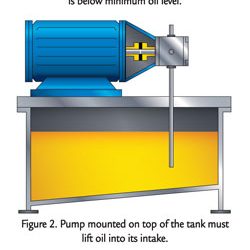
An essential requirement for the optimum performance and service life of a hydraulic pump is that its pumping chambers fill freely and completely during intake. So if getting maximum pump life is your primary concern (and it should be), then anything that makes the free and complete filling of the pump’s chambers more difficult to achieve should be avoided.
[/cherry_col_inner]
[/cherry_row_inner]
[cherry_row_inner type=”full-width” bg_type=”none” bg_position=”center” bg_repeat=”no-repeat” bg_attachment=”scroll” bg_size=”auto” parallax_speed=”1.5″ parallax_invert=”no” min_height=”300″ speed=”1.5″ invert=”no”]
[cherry_col_inner size_md=”12″ size_xs=”none” size_sm=”none” size_lg=”none” offset_xs=”none” offset_sm=”none” offset_md=”none” offset_lg=”none” pull_xs=”none” pull_sm=”none” pull_md=”none” pull_lg=”none” push_xs=”none” push_sm=”none” push_md=”none” push_lg=”none” collapse=”no” bg_type=”none” bg_position=”center” bg_repeat=”no-repeat” bg_attachment=”scroll” bg_size=”auto”]
[cherry_button text=”Read more” url=”https://www.machinerylubrication.com/Read/2473/mounting-hydraulic-pumps” style=”primary” size=”medium” display=”inline” radius=”0″ centered=”no” fluid=”no” fluid_position=”left” icon_position=”left” min_width=”0″ target=”self” hover_animation=”fade”]
[/cherry_col_inner]
[/cherry_row_inner]
[/cherry_col]
[cherry_col size_md=”4″ size_xs=”none” size_sm=”none” size_lg=”none” offset_xs=”none” offset_sm=”none” offset_md=”none” offset_lg=”none” pull_xs=”none” pull_sm=”none” pull_md=”none” pull_lg=”none” push_xs=”none” push_sm=”none” push_md=”none” push_lg=”none” collapse=”no” bg_type=”none” bg_position=”center” bg_repeat=”no-repeat” bg_attachment=”scroll” bg_size=”auto”]
[/cherry_col]
[/cherry_row]