[cherry_row type=”full-width” bg_type=”none” bg_position=”center” bg_repeat=”no-repeat” bg_attachment=”scroll” bg_size=”auto” parallax_speed=”1.5″ parallax_invert=”no” min_height=”300″ speed=”1.5″ invert=”no”]
[cherry_col size_md=”7″ size_xs=”none” size_sm=”none” size_lg=”none” offset_xs=”none” offset_sm=”none” offset_md=”none” offset_lg=”none” pull_xs=”none” pull_sm=”none” pull_md=”none” pull_lg=”none” push_xs=”none” push_sm=”none” push_md=”none” push_lg=”none” collapse=”no” bg_type=”none” bg_position=”center” bg_repeat=”no-repeat” bg_attachment=”scroll” bg_size=”auto”]
[cherry_row_inner type=”full-width” bg_type=”none” bg_position=”center” bg_repeat=”no-repeat” bg_attachment=”scroll” bg_size=”auto” parallax_speed=”1.5″ parallax_invert=”no” min_height=”300″ speed=”1.5″ invert=”no”]
[cherry_col_inner size_md=”12″ size_xs=”none” size_sm=”none” size_lg=”none” offset_xs=”none” offset_sm=”none” offset_md=”none” offset_lg=”none” pull_xs=”none” pull_sm=”none” pull_md=”none” pull_lg=”none” push_xs=”none” push_sm=”none” push_md=”none” push_lg=”none” collapse=”no” bg_type=”none” bg_position=”center” bg_repeat=”no-repeat” bg_attachment=”scroll” bg_size=”auto”]
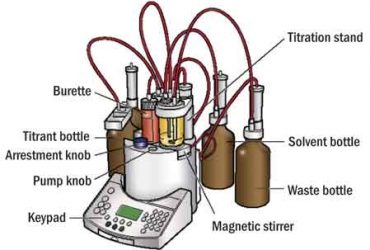
High water content of lubricating oils negatively impacts the operation and longevity of the oils and the mechanical equipment components being lubricated. Water increases the oxidation rate of oils, thus prematurely using up the oils’ oxidation inhibitors. Additionally, water has been known to cause certain oil additives to precipitate out, as well as to chemically attack some additives.
[/cherry_col_inner]
[/cherry_row_inner]
[cherry_row_inner type=”full-width” bg_type=”none” bg_position=”center” bg_repeat=”no-repeat” bg_attachment=”scroll” bg_size=”auto” parallax_speed=”1.5″ parallax_invert=”no” min_height=”300″ speed=”1.5″ invert=”no”]
[cherry_col_inner size_md=”12″ size_xs=”none” size_sm=”none” size_lg=”none” offset_xs=”none” offset_sm=”none” offset_md=”none” offset_lg=”none” pull_xs=”none” pull_sm=”none” pull_md=”none” pull_lg=”none” push_xs=”none” push_sm=”none” push_md=”none” push_lg=”none” collapse=”no” bg_type=”none” bg_position=”center” bg_repeat=”no-repeat” bg_attachment=”scroll” bg_size=”auto”]
[cherry_button text=”Read more” url=”https://www.machinerylubrication.com/Read/984/analyzing-water-oil” style=”primary” size=”medium” display=”inline” radius=”0″ centered=”no” fluid=”no” fluid_position=”left” icon_position=”left” min_width=”0″ target=”self” hover_animation=”fade”]
[/cherry_col_inner]
[/cherry_row_inner]
[/cherry_col]
[cherry_col size_md=”5″ size_xs=”none” size_sm=”none” size_lg=”none” offset_xs=”none” offset_sm=”none” offset_md=”none” offset_lg=”none” pull_xs=”none” pull_sm=”none” pull_md=”none” pull_lg=”none” push_xs=”none” push_sm=”none” push_md=”none” push_lg=”none” collapse=”no” bg_type=”none” bg_position=”center” bg_repeat=”no-repeat” bg_attachment=”scroll” bg_size=”auto”]
[/cherry_col]
[/cherry_row]