[cherry_row type=”full-width” bg_type=”none” bg_position=”center” bg_repeat=”no-repeat” bg_attachment=”scroll” bg_size=”auto” parallax_speed=”1.5″ parallax_invert=”no” min_height=”300″ speed=”1.5″ invert=”no”]
[cherry_col size_md=”7″ size_xs=”none” size_sm=”none” size_lg=”none” offset_xs=”none” offset_sm=”none” offset_md=”none” offset_lg=”none” pull_xs=”none” pull_sm=”none” pull_md=”none” pull_lg=”none” push_xs=”none” push_sm=”none” push_md=”none” push_lg=”none” collapse=”no” bg_type=”none” bg_position=”center” bg_repeat=”no-repeat” bg_attachment=”scroll” bg_size=”auto”]
[cherry_row_inner type=”full-width” bg_type=”none” bg_position=”center” bg_repeat=”no-repeat” bg_attachment=”scroll” bg_size=”auto” parallax_speed=”1.5″ parallax_invert=”no” min_height=”300″ speed=”1.5″ invert=”no”]
[cherry_col_inner size_md=”12″ size_xs=”none” size_sm=”none” size_lg=”none” offset_xs=”none” offset_sm=”none” offset_md=”none” offset_lg=”none” pull_xs=”none” pull_sm=”none” pull_md=”none” pull_lg=”none” push_xs=”none” push_sm=”none” push_md=”none” push_lg=”none” collapse=”no” bg_type=”none” bg_position=”center” bg_repeat=”no-repeat” bg_attachment=”scroll” bg_size=”auto”]
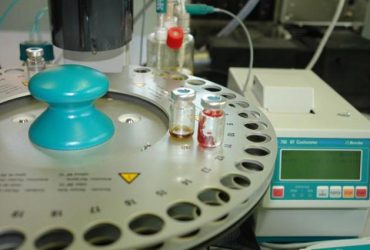
In order to ensure the required plant availability, it is necessary to regularly check the degree of contamination due to solid particles and to monitor the water content in non-aqueous lubricants. Sensitive applications and components are often classified according to their tolerable limit of water content in milligrams/kilograms (mg/kg) or parts per million (ppm).
[/cherry_col_inner]
[/cherry_row_inner]
[cherry_row_inner type=”full-width” bg_type=”none” bg_position=”center” bg_repeat=”no-repeat” bg_attachment=”scroll” bg_size=”auto” parallax_speed=”1.5″ parallax_invert=”no” min_height=”300″ speed=”1.5″ invert=”no”]
[cherry_col_inner size_md=”12″ size_xs=”none” size_sm=”none” size_lg=”none” offset_xs=”none” offset_sm=”none” offset_md=”none” offset_lg=”none” pull_xs=”none” pull_sm=”none” pull_md=”none” pull_lg=”none” push_xs=”none” push_sm=”none” push_md=”none” push_lg=”none” collapse=”no” bg_type=”none” bg_position=”center” bg_repeat=”no-repeat” bg_attachment=”scroll” bg_size=”auto”]
[cherry_button text=”Read more” url=”https://www.machinerylubrication.com/Read/28697/humidity-saturation-limits” style=”primary” size=”medium” display=”inline” radius=”0″ centered=”no” fluid=”no” fluid_position=”left” icon_position=”left” min_width=”0″ target=”self” hover_animation=”fade”]
[/cherry_col_inner]
[/cherry_row_inner]
[/cherry_col]
[cherry_col size_md=”5″ size_xs=”none” size_sm=”none” size_lg=”none” offset_xs=”none” offset_sm=”none” offset_md=”none” offset_lg=”none” pull_xs=”none” pull_sm=”none” pull_md=”none” pull_lg=”none” push_xs=”none” push_sm=”none” push_md=”none” push_lg=”none” collapse=”no” bg_type=”none” bg_position=”center” bg_repeat=”no-repeat” bg_attachment=”scroll” bg_size=”auto”]
[/cherry_col]
[/cherry_row]