[cherry_row type=”full-width” bg_type=”none” bg_position=”center” bg_repeat=”no-repeat” bg_attachment=”scroll” bg_size=”auto” parallax_speed=”1.5″ parallax_invert=”no” min_height=”300″ speed=”1.5″ invert=”no”]
[cherry_col size_md=”8″ size_xs=”none” size_sm=”none” size_lg=”none” offset_xs=”none” offset_sm=”none” offset_md=”none” offset_lg=”none” pull_xs=”none” pull_sm=”none” pull_md=”none” pull_lg=”none” push_xs=”none” push_sm=”none” push_md=”none” push_lg=”none” collapse=”no” bg_type=”none” bg_position=”center” bg_repeat=”no-repeat” bg_attachment=”scroll” bg_size=”auto”]
[cherry_row_inner type=”full-width” bg_type=”none” bg_position=”center” bg_repeat=”no-repeat” bg_attachment=”scroll” bg_size=”auto” parallax_speed=”1.5″ parallax_invert=”no” min_height=”300″ speed=”1.5″ invert=”no”]
[cherry_col_inner size_md=”12″ size_xs=”none” size_sm=”none” size_lg=”none” offset_xs=”none” offset_sm=”none” offset_md=”none” offset_lg=”none” pull_xs=”none” pull_sm=”none” pull_md=”none” pull_lg=”none” push_xs=”none” push_sm=”none” push_md=”none” push_lg=”none” collapse=”no” bg_type=”none” bg_position=”center” bg_repeat=”no-repeat” bg_attachment=”scroll” bg_size=”auto”]
“How much should an oil’s oxidation rate affect the frequency of an oil change?”
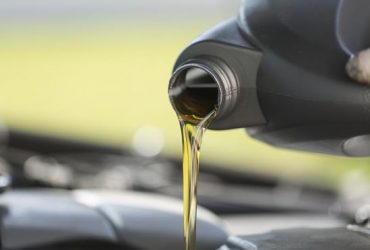
Oxidation is a reaction that takes place between the molecules of a lubricant’s base oil and existing oxygen in the form of foam or entrained air. Once oxidation begins to occur, it can, and often will, lead to an adverse, permanent chemical change in the molecules. As this process is initiated, the molecules, which typically are hydrocarbons, are transformed into proponents that hinder the lubricant’s performance.
[/cherry_col_inner]
[/cherry_row_inner]
[cherry_row_inner type=”full-width” bg_type=”none” bg_position=”center” bg_repeat=”no-repeat” bg_attachment=”scroll” bg_size=”auto” parallax_speed=”1.5″ parallax_invert=”no” min_height=”300″ speed=”1.5″ invert=”no”]
[cherry_col_inner size_md=”12″ size_xs=”none” size_sm=”none” size_lg=”none” offset_xs=”none” offset_sm=”none” offset_md=”none” offset_lg=”none” pull_xs=”none” pull_sm=”none” pull_md=”none” pull_lg=”none” push_xs=”none” push_sm=”none” push_md=”none” push_lg=”none” collapse=”no” bg_type=”none” bg_position=”center” bg_repeat=”no-repeat” bg_attachment=”scroll” bg_size=”auto”]
[cherry_button text=”Read more” url=”https://www.machinerylubrication.com/Read/31454/oil-change-frequency” style=”primary” size=”medium” display=”inline” radius=”0″ centered=”no” fluid=”no” fluid_position=”left” icon_position=”left” min_width=”0″ target=”self” hover_animation=”fade”]
[/cherry_col_inner]
[/cherry_row_inner]
[/cherry_col]
[cherry_col size_md=”4″ size_xs=”none” size_sm=”none” size_lg=”none” offset_xs=”none” offset_sm=”none” offset_md=”none” offset_lg=”none” pull_xs=”none” pull_sm=”none” pull_md=”none” pull_lg=”none” push_xs=”none” push_sm=”none” push_md=”none” push_lg=”none” collapse=”no” bg_type=”none” bg_position=”center” bg_repeat=”no-repeat” bg_attachment=”scroll” bg_size=”auto”]
[/cherry_col]
[/cherry_row]